Tracking the performance of your YouTube videos goes beyond counting views and likes. For marketers and business owners, the real value lies in understanding how YouTube traffic contributes to website visits, conversions, and revenue. That’s where UTM parameters come in.
On my YouTube channel, Waseem Bashir, I frequently create videos that teach marketers and business owners how to boost their results. To track traffic from my YouTube videos to my websites, including waseembashir.com and apexure.com, I use strategically crafted YouTube UTM parameters.
In this guide, we’ll break down step by step how to set up YouTube video tracking using UTM parameters, share best practices, and highlight real-world examples so you can make smarter, data-backed marketing decisions.
Table of Contents
- What Are UTM Parameters in YouTube Video Tracking?
- Why UTM Links Are a Must for YouTube Video Tracking
- Best Practices for Using UTM Links with YouTube
- Common Mistakes to Avoid with YouTube UTM Links
- Ready to Track Smarter?
- FAQs About YouTube Video Tracking
- Take Your YouTube Video Tracking to the Next Level
What Are UTM Parameters in YouTube Video Tracking?
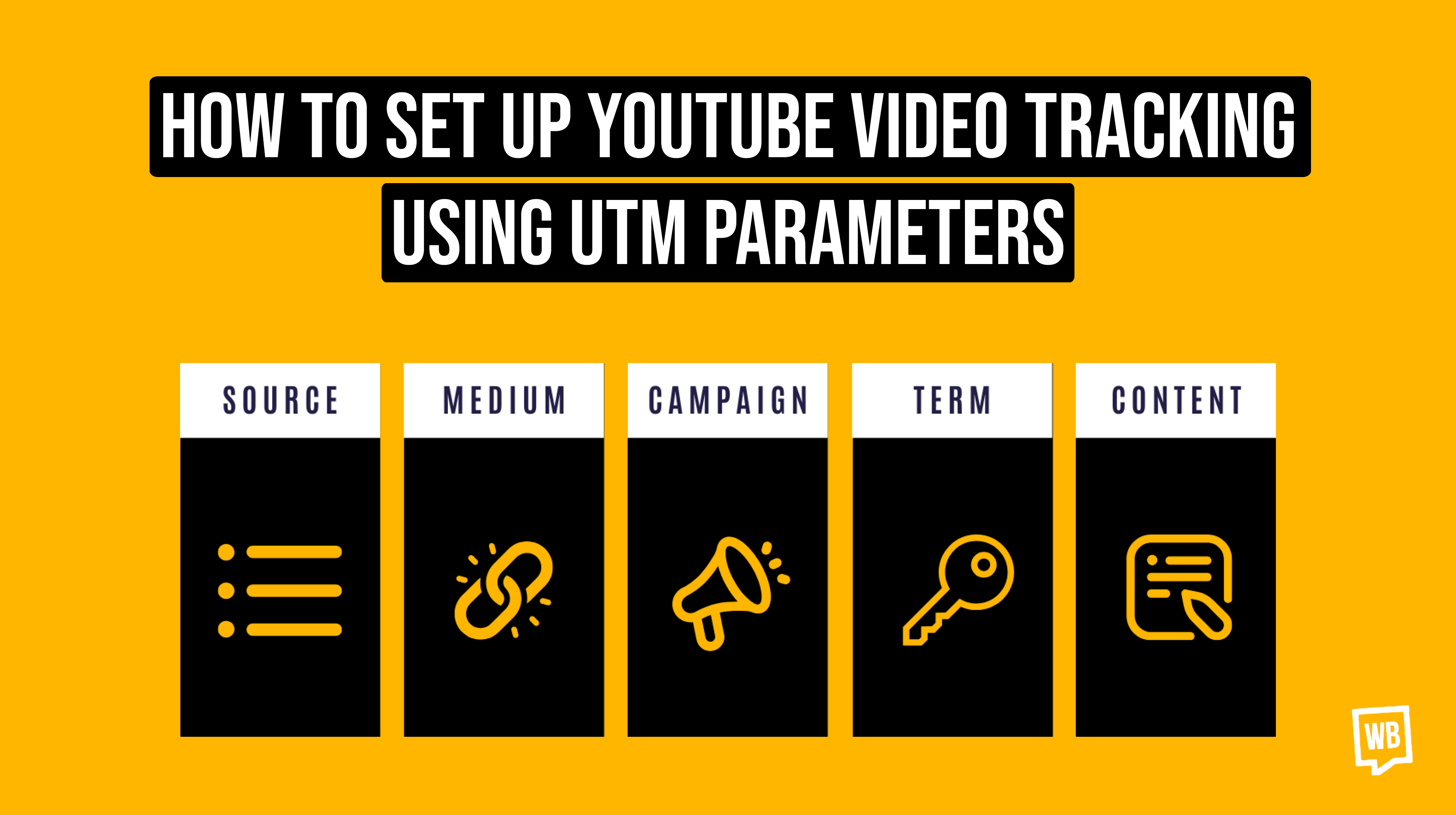
UTM parameters are small tags you add to your links to track how users interact with your content. On YouTube, these links let you identify exactly which videos, placements, and campaigns drive traffic.

Here’s an example of how we use YouTube UTM tracking to monitor traffic from a video:
- Bit.ly Link in the Video Description: https://bit.ly/3Uz8rTT
- Expanded UTM Link: https://www.apexure.com/landing-page-design/?utm_medium=social&utm_source=youtube&utm_campaign=service-page
This link allows me to understand:
- Source: YouTube traffic
- Medium: Social media platform
- Campaign: Specific service/product promoted or the campaign’s name
Why UTM Links Are a Must for YouTube Video Tracking
According to DemandSage 2025 stats, YouTube has 2.7 billion monthly active users. That’s a massive audience, but without UTM tracking, you won’t know which links drive results.

YouTube tracking provides several opportunities to include clickable links that can drive traffic to your website:
- Video Descriptions
- Pinned Comments
- Cards and End Screens
- Community Posts
By using UTM parameters, you can decode which of these placements performs best and fine-tune your strategy accordingly.
Best Practices for Using UTM Links with YouTube
1. Craft Descriptive UTM Parameters
Define parameters like utm_source, utm_medium, and utm_campaign in a way that they are both clear and consistent:
- Source: youtube
- Medium: social
- Campaign: Use descriptive names such as landing-page-guide or service-page.
2. Shorten Links for Better Clickability
Long UTM links can appear cluttered and discourage clicks. Use tools like Bit.ly or Rebrandly to create neat, trackable links.
3. Place Links Strategically
Maximize visibility by adding YouTube UTM tracking links in:
- The description box for primary CTAs.
- A pinned comment to highlight specific offers or resources.
- Cards and end screens for an engaging CTA as the video concludes.
4. Track and Analyze
Use tools like Google Analytics to review the data collected from your YouTube UTM parameters. If you’re wondering how to track video views in Google Analytics, UTM links combined with analytics tools provide a complete picture. This will help you determine:
- Which video placements drive the most traffic
- How users interact with your site after clicking the links
Leveraging Google Analytics for YouTube
For a deeper understanding of your traffic, tools like Google Analytics can provide comprehensive YouTube video analytics. From tracking video views to understanding audience engagement, these tools let you evaluate performance at a granular level. Pairing these insights with YouTube tracking ensures that both organic and paid campaigns are optimized for success
Real-World Example: UTM in Action

In one of my YouTube videos about landing pages, I included this UTM link:
The link is shortened to https://bit.ly/3Uz8rTT for ease of use. By analyzing the data from this link in Google Analytics for YouTube, I can see:
- The number of visitors coming from YouTube
- How they interact with my landing page (e.g., conversions, time on site)
These insights also help with YouTube ad tracking, enabling me to assess the effectiveness of paid promotions.
Common Mistakes to Avoid with YouTube UTM Links
- Inconsistent Naming Conventions: Ensure all YouTube UTM parameters follow a standard format (e.g., lowercase, hyphen-separated).
- Omitting UTM Parameters: Missing parameters like utm_medium can result in misattribution of traffic.
- Overloading Links: Keep UTM links concise and focused on the key information you want to track.
Ready to Track Smarter?
By integrating UTM links into your YouTube video tracking strategy, you can unlock powerful insights into audience behavior and campaign performance.
Want to master UTM tracking? 👉 Download my free UTM Builder Template 👉 Or enroll in my course, The Ultimate UTM Attribution Course, where I share in-depth strategies for tracking traffic across YouTube, Google Ads, and beyond. And for foundational knowledge, start with this detailed UTM marketing guide.
Take your video marketing to the next level with data-backed decisions. Let’s get started
FAQs About YouTube Video Tracking
Q.1: Can UTM tracking help with YouTube ad tracking?
Yes, UTM tracking is useful for measuring the success of YouTube ads. You can assess which videos and ad campaigns are driving the most conversions and traffic to your website.
Q.2: How do I add UTM parameters to a YouTube link?
Simply append tags like ?utm_source=youtube&utm_medium=social&utm_campaign=campaign-name to your URL, then shorten it before pasting it into descriptions or comments.
Q3: Can I track YouTube ads with UTM parameters?
Yes. UTM parameters combined with Google Ads reporting let you track paid YouTube campaigns in GA4.
Q4: What’s the best way to organize UTM campaigns?
Use lowercase, descriptive campaign names (e.g., youtube-service-launch) and maintain a shared spreadsheet or template.
Q5: Do UTM links work on the YouTube mobile app?
Yes. Whether on desktop or mobile, UTM tags remain intact and pass data into Google Analytics.
Take Your YouTube Video Tracking to the Next Level
UTM tracking is a game-changer when it comes to understanding your audience and optimizing your YouTube campaigns. By incorporating YouTube video tracking with UTM parameters, you can effortlessly monitor where your traffic originates and identify what’s driving results.
Whether it’s links in video descriptions, pinned comments, or end screens, UTM parameters provide the clarity you need to make smarter, data-backed decisions.
Want to go deeper? Check out my UTM Marketing Guide for a step-by-step framework on how to build, structure, and scale UTM tracking across all your campaigns—not just YouTube.
Related Articles:
- Email Signature Links Tracking
- Why Are UTM Parameters So Valuable to Your Social Listening?
- WordPress UTM Tracking
- Understanding Traffic Attribution and Direct Traffic
- How to Use Custom UTM Parameters
- UTM Tracking Template for Simplifying Campaign Management
- Tracking Templates vs Google Ads Scripts: Best Way to Add UTMs